Andy Warhol stands as one of the most transformative figures in twentieth-century art, pioneering Pop Art through his audacious embrace of consumer culture, celebrity, and mechanical reproduction. Born Andrew Warhola in 1928 to Slovakian immigrants in Pittsburgh, he rose from commercial illustrator to cultural icon, opening The Factory in the 1960s—a silver-lined studio that became a nexus for artists, musicians, superstars like Edie Sedgwick, and provocateurs. Warhol's silk-screened canvases of Campbell's soup cans, Marilyn Monroe, and electric chairs blurred the lines between high art and mass media, challenging notions of originality and aura in an age of mass production. His work captured the electric pulse of American consumerism while subtly probing fame's fragility and death's omnipresence.
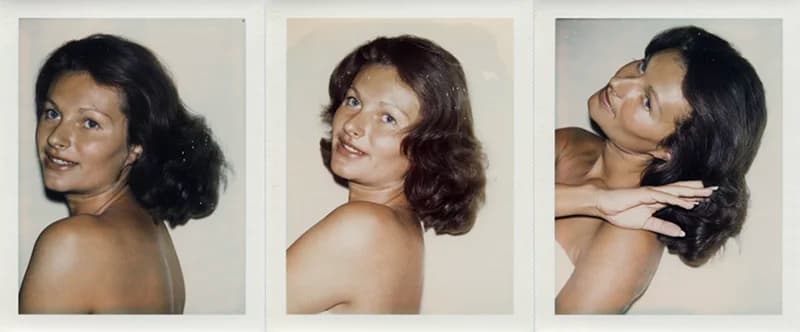
In Andy Warhol: On Repeat at the Zimmerli Art Museum, the exhibition unveils a lesser-seen dimension of his oeuvre, foregrounding repetition and duration through nearly 70 photographs from the museum's collection—many shown publicly for the first time—and durational films borrowed from the Andy Warhol Museum in Pittsburgh. Iconic Screen Tests, those silent three-minute portraits of Factory denizens facing the camera's unblinking gaze, reveal Warhol as a master of stillness, where subjects bloom or fade under prolonged scrutiny. Films like Outer and Inner Space (1966), projected immersively across sixteen feet, fracture identity into mediated selves, evoking photobooth strips in towering Polaroid installations. Here, Warhol emerges not merely as Pop's detached observer but as a psychological explorer, wielding the camera as a transformative force that tests endurance, visibility, and self-performance.
Warhol's serial photographs and looping films in On Repeat underscore his obsession with time's erosion—repetition not as rote replication but as revelation, stripping subjects to vulnerability amid cultural spectacle. This curatorial reframing, led by Chief Curator Jeremiah William McCarthy, positions Warhol's practice as prescient commentary on our image-saturated era, where perpetual surveillance mirrors his static lenses. Beyond the glamour of superstars, the show invites lingering looks, transforming galleries into laboratories of perception and reclaiming Warhol as a profound meditator on identity's shifting terrains.
All exhibitions →